
The Gulag Archipelago By Aleksandr Solzhenitsyn
The Gulag Archipelago (Russian: Arkhipelag GULAG) is a monumental three-volume nonfiction work subtitled An Experiment in Literary Investigation, written between 1958 and 1968 by Russian author and dissident Aleksandr Solzhenitsyn (1918–2008). First published in the West in 1973–1975 (in Paris, to evade Soviet censorship), it exposes the vast system of forced labor camps in the Soviet Union from 1918 to 1956.
Solzhenitsyn, a former Red Army captain imprisoned for criticizing Stalin in private letters, drew from his own eight years in the camps, plus testimonies from over 200 fellow prisoners (zeks). The title uses “archipelago” as a metaphor for the scattered yet interconnected camps forming an invisible “continent” within Soviet society.
The book traces the Gulag’s origins to Lenin’s decrees post-1917 Revolution, through Stalin’s purges, and up to Khrushchev’s partial thaw. It details arbitrary arrests, brutal interrogations (often involving torture to extract false confessions), transportation in horrific conditions, and life in the camps—marked by starvation, freezing labor, disease, and dehumanization. Solzhenitsyn also covers prisoner resistance, escapes, and the system’s role in Soviet economy and terror.Structured in seven parts across three volumes:
- Volumes 1–2: Arrests, interrogations, trials, and early camp experiences.
- Volume 3: Later camps, exile, and reflections on Stalin’s death.
An authorized abridged one-volume edition exists for broader accessibility.
Publication led to Solzhenitsyn’s 1974 arrest and exile from the USSR. In the West, it shattered illusions about Soviet communism, devastating sympathizers and fueling anti-totalitarian sentiment during the Cold War. Critics hailed it as one of the 20th century’s most important books—George F. Kennan called it the “most powerful single indictment of a political regime” ever; others compared its revelations to exposing another holocaust.It contributed to global human rights awareness, discrediting leftist apologetics for Stalinism and influencing perceptions of authoritarianism. In Russia, it circulated underground via samizdat before official publication post-Soviet collapse.Solzhenitsyn’s work remains a testament to truth-telling against oppression, reminding readers of ideology’s human cost and evil’s banality in bureaucratic terror. It’s essential reading for understanding 20th-century totalitarianism.
When you click on links to various merchants on this site and make a purchase, this can result in this site earning a commission. Affiliate programs and affiliations include, but are not limited to, the eBay Partner Network.
The Gulag Archipelago 1918-1956 Aleksandr I. Solzhenitsyn Hardcover First Edi...
 | $12.61 Buy It on eBay for only: $12.61 Buy It Now on eBay |
The Gulag Archipelago Solzhenitsyn 1974 Stated 1st Edition HC DJ I-II
 | $59.88 Buy It on eBay for only: $59.88 Buy It Now on eBay |
The Gulag Archipelago Vol 3 Solzhenitsyn HC 1st Edition 1976 Harper & Row
 | $20.00 Buy It on eBay for only: $20.00 Buy It Now on eBay |
the Gulag Archipelago Aleksandr Solzhenitsyn 1973 HC/DJ
 | $25.26 Buy It on eBay for only: $25.26 Buy It Now on eBay |
Gulag Archipelago - Aleksandr Solzhenitsyn - Folio Society - 2006 - History
 | $143.99 Buy It on eBay for only: $143.99 Buy It Now on eBay |
The Gulag Archipelago 1918-1956 Aleksandr I. Solzhenitsyn Hardcover 1978
 | $13.72 Buy It on eBay for only: $13.72 Buy It Now on eBay |
Gulag Archipelago - Solzhenitsyn - First Edition 1973 - hardcover
 | $15.00 Buy It on eBay for only: $15.00 Buy It Now on eBay |
The Gulag Archipelago Two Aleksandr I. Solzhenitsyn Paperback First Edition 1975
 | $10.11 Buy It on eBay for only: $10.11 Buy It Now on eBay |
The Gulag Archipelago 1918-1956 I-II Aleksandr Solzhenitsyn 1974 Hardcover
 | $12.95 Buy It on eBay for only: $12.95 Buy It Now on eBay |
The Gulag Archipelago [Volume 1]: An Experi, Aleksandr I. Solzhenitsyn
 | $3.56 Buy It on eBay for only: $3.56 Buy It Now on eBay |
The Gulag Archipelago by Aleksandr I. Solzhenitsyn volumes I, II, III 1st editio
 | $75.00 Buy It on eBay for only: $75.00 Buy It Now on eBay |
The Gulag Archipelago Vol 3 Hardcover 1978 1st Edition Solzhenitsyn Harper Row
 | $20.00 Buy It on eBay for only: $20.00 Buy It Now on eBay |
Aleksandr I. Solzhenitsyn The Gulag Archipelago [Volume 1]: An Experiment in Li
 | $8.60 Buy It on eBay for only: $8.60 Buy It Now on eBay |
The GULAG ARCHIPELAGO 1918-1956 Volume 2 First Edition First Printing 1975 HB
 | $33.10 Buy It on eBay for only: $33.10 Buy It Now on eBay |
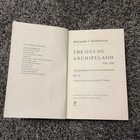
The Gulag Archipelago by Aleksandr I. Solzhenitsyn 1974 First Edition, Harper
 | $30.00 Buy It on eBay for only: $30.00 Buy It Now on eBay |
مجمع الجزایر گولاگ Gulag Archipelago Solzhenitsyn 3 Vol Persian Farsi Book کتاب
 | $199.99 Buy It on eBay for only: $199.99 Buy It Now on eBay |
The Gulag Archipelago Complete 3 Vol Set Harper & Row Solzhenitsyn
 | $100.00 Buy It on eBay for only: $100.00 Buy It Now on eBay |
The Gulag Archipelago By Aleksandr Solzhenitsyn, Vols. 1 2 3, Paperback Set Lot
 | $49.95 Buy It on eBay for only: $49.95 Buy It Now on eBay |
Aleksandr Solzhenitsyn 'Dissident' Vinyl Sticker / Decal - The Gulag Archipelago
 | $3.99 Buy It on eBay for only: $3.99 Buy It Now on eBay |
Aleksandr I. Solzhenitsyn The Gulag Archipelago Paperback Perennial Library
 | $6.50 Buy It on eBay for only: $6.50 Buy It Now on eBay |
FIRST EDITION The Gulag Archipelago Solzhenitsyn HC DJ Vtg Book
 | $34.99 Buy It on eBay for only: $34.99 Buy It Now on eBay |
The Gulag Archipelago Three by Aleksandr Solzhenitsyn, 1976, Hardcover, 1st Ed
 | $34.99 Buy It on eBay for only: $34.99 Buy It Now on eBay |
The Gulag Archipelago Aleksandr I. Solzhenitsyn First Edition HC Book 1973
 | $12.00 Buy It on eBay for only: $12.00 Buy It Now on eBay |
Gulag Archipelago Aleksandr Solzhenitsyn HCDJ 1973 1st Edition
 | $20.00 Buy It on eBay for only: $20.00 Buy It Now on eBay |
Gulag Archipelago Aleksandr Solzhenitsyn Good 1st Edition 1st Printing Vintage
 | $8.99 Buy It on eBay for only: $8.99 Buy It Now on eBay |
The Gulag Archipelago Aleksandr Solzhenitsyn Paperback Abridged Edition
 | $14.86 Buy It on eBay for only: $14.86 Buy It Now on eBay |
The Gulag Archipelago 1918-1956 Aleksandr Solzhenitsyn 1974 1st Ed (Stated) HC
 | $17.99 Buy It on eBay for only: $17.99 Buy It Now on eBay |
The Gulag Archipelago Hardcover Alexander Solzhenitsyn
 | $12.05 Buy It on eBay for only: $12.05 Buy It Now on eBay |
The Gulag Archipelago: 50th Anniversary Abridged Edition by Solzhenitsyn New=-
 | $36.35 Buy It on eBay for only: $36.35 Buy It Now on eBay |
The Gulag Archipelago 1918-1956 Aleksandr Solzhenitsyn 1st Edition Hardcover
 | $68.90 Buy It on eBay for only: $68.90 Buy It Now on eBay |
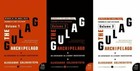
3 BOOKS - The Gulag Archipelago by Aleksandr Solzhenitsyn 3 VOLUME SET - NEW
 | $59.99 Buy It on eBay for only: $59.99 Buy It Now on eBay |
The Gulag Archipelago: (Abridged edition) (Vint, Solzhenitsyn, Peterson=-
 | $24.25 Buy It on eBay for only: $24.25 Buy It Now on eBay |
Aleksandr Solzhenitsyn The Gulag Archipelago HC Harper & Row 1978 1st Ed
 | $14.87 Buy It on eBay for only: $14.87 Buy It Now on eBay |
The Gulag Archipelago, 1918-1956 by Solzhenitsyn, Aleksandr Isaevich
| $6.27 Buy It on eBay for only: $6.27 Buy It Now on eBay |
The Gulag Archipelago Aleksandr Solzhenitsyn 1974 First Edition HC DJ Vol 1
 | $24.99 Buy It on eBay for only: $24.99 Buy It Now on eBay |
The Gulag Archipelago Aleksandr Solzhenitsyn V1 First Edition 1st Print 1973 HB
 | $65.00 Buy It on eBay for only: $65.00 Buy It Now on eBay |
The Gulag Archipelago by Aleksandr I. Solzhenitsyn 1973 1st Edition PB Vintage
 | $9.95 End Date: Monday Sep-21-2026 13:15:36 EDT Buy It on eBay for only: $9.95 Buy It Now on eBay |
Gulag Archipelago 3 Volume Set Solzhenitsyn Harper Perennial 2007 Paperback
 | $44.99 Buy It on eBay for only: $44.99 Buy It Now on eBay |
‘Gulag Archipelago: Volumes 1 & 2’ Solzhenitsyn (1974/75 HC DJ FIRST EDITIONS)
 | $74.98 Buy It on eBay for only: $74.98 Buy It Now on eBay |
THE GULAG ARCHIPELAGO by Aleksandr Solzhenitsyn -1st/1st HCDJ 1974 Nobel
 | $112.50 Buy It on eBay for only: $112.50 Buy It Now on eBay |
The Gulag Archipelago 1918-1956 Aleksandr I. Solzhenitsyn Paperback First Edi...
 | $18.88 Buy It on eBay for only: $18.88 Buy It Now on eBay |
Aleksandr I. Solzhenitsyn The Gulag Archipelago 1918-1956 Vol I-II 1st Ed PB
 | $7.00 Buy It on eBay for only: $7.00 Buy It Now on eBay |
Aleksandr I. Solzhenitsyn Gulag Archipelago Authorized TPB 2007 Vol.1 & 2 set
 | $22.00 Buy It on eBay for only: $22.00 Buy It Now on eBay |
The Gulag Archipelago, 1918-1956: An Exp- hardcover, 9780060139148, Solzhenitsyn
| $7.28 Buy It on eBay for only: $7.28 Buy It Now on eBay |
The Gulag Archipelago 1918–1956: An Experiment in Literary Investigation V–VI...
 | $15.10 Buy It on eBay for only: $15.10 Buy It Now on eBay |
The Gulag Archipelago_Books 1 & 2_Aleksandr Solzhenitsyn_First Ed. 1975
 | $19.98 Buy It on eBay for only: $19.98 Buy It Now on eBay |
The Gulag Archipelago 1918-1956 Vol 1 by Aleksandr Solzhenitsyn 1974 PB 1st VG
 | $7.00 Buy It on eBay for only: $7.00 Buy It Now on eBay |
The Gulag Archipelago Aleksandr Solzhenitsyn 1973 First Edition HC DJ Vol 1-2
 | $32.00 Buy It on eBay for only: $32.00 Buy It Now on eBay |
The Gulag Archipelago by Aleksandr Solzhenitsyn Paperback Russian History
 | $9.99 Buy It on eBay for only: $9.99 Buy It Now on eBay |
The Gulag Archipelago First Edition Aleksandr Solzhenitsyn 1974, Hardcover w/DJ
 | $24.99 Buy It on eBay for only: $24.99 Buy It Now on eBay |
Leave a Reply