
The Well of Loneliness By Radclyffe Hall
The Well of Loneliness by Radclyffe Hall, published in 1928, is a groundbreaking novel that explores themes of gender identity, sexuality, and societal rejection. It follows the life of Stephen Gordon, a woman born into an upper-class English family who identifies as a “sexual invert” (a term used at the time for homosexuality). The novel traces Stephen’s struggles with her identity, her relationships, and the prejudice she faces in a society that condemns her for her nonconformity.
Stephen, named by her parents who expected a boy, grows up feeling different. She develops masculine traits and falls in love with women, notably Mary Llewellyn, during World War I. Their relationship faces intense social stigma, leading to emotional turmoil and sacrifice. The novel portrays Stephen’s search for acceptance and love in a world that marginalizes her.
The book was controversial upon release, leading to an obscenity trial in the UK, where it was banned until 1949. It was praised by some for its courage but criticized by others for its perceived “immorality.” Considered a landmark in queer literature, it remains significant for its empathetic portrayal of lesbian and gender-nonconforming experiences, despite its dated language and tragic tone.
When you click on links to various merchants on this site and make a purchase, this can result in this site earning a commission. Affiliate programs and affiliations include, but are not limited to, the eBay Partner Network.
The Well of Loneliness by Radclyffe Hall: New
 | $14.69 Buy It on eBay for only: $14.69 Buy It Now on eBay |
Well of Loneliness by Radclyffe Hall (2008, Uk-B Format Paperback)
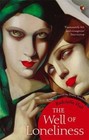 | $16.73 Buy It on eBay for only: $16.73 Buy It Now on eBay |
THE WELL OF LONELINESS - by Radclyffe Hall - 1988 - hardcover, LGBTQ
 | $30.00 Buy It on eBay for only: $30.00 Buy It Now on eBay |
The Well of Loneliness, Radclyffe Hall, Hardback Book, 1929. c5
 | $65.00 Buy It on eBay for only: $65.00 Buy It Now on eBay |
THE WELL OF LONELINESS - Radclyffe Hall - 1928 HC Banned & Scandalous In Its day
 | $32.00 Buy It on eBay for only: $32.00 Buy It Now on eBay |
Radclyffe Hall The Well of Loneliness Cloth Sun Dial Press NY 1928 Signed
 | $50.00 Buy It on eBay for only: $50.00 Buy It Now on eBay |
The Well of Loneliness By Radclyffe Hall. 9781840224559
 | $11.31 Buy It on eBay for only: $11.31 Buy It Now on eBay |
THE WELL OF LONELINESS - Radclyffe Hall - 1928 HC Banned & Scandalous In Its day
 | $39.00 Buy It on eBay for only: $39.00 Buy It Now on eBay |
The Well of Loneliness Radclyffe Hall Hardcover 1933
 | $29.97 Buy It on eBay for only: $29.97 Buy It Now on eBay |
THE WELL OF LONELINESS - by Radclyffe Hall - 1928 - Blue Ribbon Books LGBTQ
 | $55.00 Buy It on eBay for only: $55.00 Buy It Now on eBay |
The Well of Loneliness Radclyffe Hall 1981 Avon Books 5th Printing
 | $12.00 Buy It on eBay for only: $12.00 Buy It Now on eBay |
The Well of Loneliness by Radclyffe Hall 1932 Covici Friede Lesbian Banned
 | $37.49 Buy It on eBay for only: $37.49 Buy It Now on eBay |
THE WELL OF LONELINESS by Radclyffe Hall 1928 1st Edition Banned LGBTQ History
 | $89.99 Buy It on eBay for only: $89.99 Buy It Now on eBay |
Radclyffe Hall Well of Loneliness 1937 Danish Ensomhedens Brond Leather LGBT
 | $34.99 Buy It on eBay for only: $34.99 Buy It Now on eBay |
THE WELL OF LONELINESS - by Radclyffe Hall - 1928 - Blue Ribbon Books LGBTQ
 | $59.90 Buy It on eBay for only: $59.90 Buy It Now on eBay |
The Well of Loneliness; Radclyffe Hall; 1928; LGBTQ
 | $129.59 Buy It on eBay for only: $129.59 Buy It Now on eBay |
The Well of Loneliness Radclyffe Hall Blue Ribbon Books 1931 Hardcover
 | $34.00 Buy It on eBay for only: $34.00 Buy It Now on eBay |
Radclyffe Hall / THE WELL OF LONELINESS 1st Edition 1928 Paris Privately Printed
 | $199.99 Buy It on eBay for only: $199.99 Buy It Now on eBay |
The Well of Loneliness by Radclyff Hall (Doubleday, 1974) Vintage Paperback
 | $8.00 Buy It on eBay for only: $8.00 Buy It Now on eBay |
Radclyffe Hall / The Well of Loneliness Signed limited edition 1st Edition 1929
 | $1,500.00 Buy It on eBay for only: $1,500.00 Buy It Now on eBay |
Radclyffe Hall At The Well Of Loneliness by Lovat Dickson (1975 Hardcover)
 | $10.67 Buy It on eBay for only: $10.67 Buy It Now on eBay |
The Well of Loneliness by Radclyffe Hall (hardcover 1928)
 | $40.25 Buy It on eBay for only: $40.25 Buy It Now on eBay |
The Well of Loneliness by Radclyffe Hall - 1974 Pocket Books Vintage (Good)
 | $79.99 Buy It on eBay for only: $79.99 Buy It Now on eBay |
THE WELL OF LONELINESS - Radclyffe Hall Blue Ribbon Books 1940s Edition
 | $45.00 Buy It on eBay for only: $45.00 Buy It Now on eBay |
The Well of Loneliness by Hall, Radclyffe, paperback, New
 | $7.49 Buy It on eBay for only: $7.49 Buy It Now on eBay |
The Well of Loneliness Mass Market Paperbound Radclyffe Hall
 | $9.64 Buy It on eBay for only: $9.64 Buy It Now on eBay |
The Well of Loneliness; Radclyffe Hall 1929 10th Printing LGBTQ Hardcover
 | $120.00 Buy It on eBay for only: $120.00 Buy It Now on eBay |
The well of loneliness 1991 Radclyffe Hall
 | $25.00 Buy It on eBay for only: $25.00 Buy It Now on eBay |
The Well Of Loneliness (VMC) (Virago Modern Classics). Hall 9781844085156 New*#
 | $21.03 Buy It on eBay for only: $21.03 Buy It Now on eBay |
The Well Of Loneliness 1928 By Hall, Radclyffe [Leather Bound]
 | $96.14 Buy It on eBay for only: $96.14 Buy It Now on eBay |
The Well of Loneliness by Hall, Hall, New 9789356568792 Fast Free Shipping..
 | $33.11 Buy It on eBay for only: $33.11 Buy It Now on eBay |
The Well of Loneliness (Penguin Modern Classics), Hall 9780141191836 New=-
 | $20.56 Buy It on eBay for only: $20.56 Buy It Now on eBay |
1951 Vintage Paperback Book, Well of Loneliness -Radclyffe Hall, Lesbian Fiction
 | $39.75 Buy It on eBay for only: $39.75 Buy It Now on eBay |
The Well of Loneliness - Radclyffe Hall - Perma Books P112
 | $20.00 Buy It on eBay for only: $20.00 Buy It Now on eBay |
The Well of Loneliness; Radclyffe Hall; 1929 Ninth Printing LGBTQ Hardcover
 | $79.00 Buy It on eBay for only: $79.00 Buy It Now on eBay |
1928-The Well Of Loneliness By Radclyffe Hall, In Acceptable Cond. HB W/ DJ
 | $80.00 Buy It on eBay for only: $80.00 Buy It Now on eBay |
The Well of Loneliness by Radclyffe Hall PB First Thus Very Good 1981
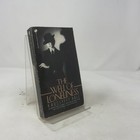 | $20.00 Buy It on eBay for only: $20.00 Buy It Now on eBay |
WELL OF LONELINESS By Radclyffe Hall *Excellent Condition*
 | $25.49 Buy It on eBay for only: $25.49 Buy It Now on eBay |
The Well Of Loneliness 1928 By Hall Radclyffe [Leather Bound]
 | $92.73 Buy It on eBay for only: $92.73 Buy It Now on eBay |
The Well of Loneliness - Radclyffe Hall - collectable vintage paperback edition
 | $15.61 Buy It on eBay for only: $15.61 Buy It Now on eBay |
Radclyffe Hall THE WELL OF LONELINESS HC 1928
 | $45.00 Buy It on eBay for only: $45.00 Buy It Now on eBay |
Radclyffe Hall at the Well of Loneliness: A Sapphic Chronicle by Dickson, Lo HC
 | $19.96 Buy It on eBay for only: $19.96 Buy It Now on eBay |
Radclyffe Hall Ensomhedens Brønd The Well of Loneliness Danish 1937 Hardcover
 | $11.20 Buy It on eBay for only: $11.20 Buy It Now on eBay |
The Well of Loneliness by Radclyffe Hall: Used
 | $9.08 Buy It on eBay for only: $9.08 Buy It Now on eBay |
Well of Loneliness : The Classic of Lesbian Fiction by Radclyffe Hall (1990,...
 | $6.38 Buy It on eBay for only: $6.38 Buy It Now on eBay |
Well of Loneliness by Radclyffe Hall Vintage Sleaze Pulp Lesbian Paperback VG+
 | $85.00 Buy It on eBay for only: $85.00 Buy It Now on eBay |
The Well Of Loneliness, Radclyffe Hall, 1st Edition 1928, Chelsea Bindery
 | $448.55 Buy It on eBay for only: $448.55 Buy It Now on eBay |
Well of Loneliness by Radclyffe Hall Vintage Sleaze Pulp Lesbian Paperback VG
 | $75.00 Buy It on eBay for only: $75.00 Buy It Now on eBay |
The Well of Loneliness by Radclyffe Hall 1929 Banned Book for Lesbian Themes
 | $48.00 Buy It on eBay for only: $48.00 Buy It Now on eBay |
radclyffe hall / the well of loneliness 1928
 | $110.00 Buy It on eBay for only: $110.00 Buy It Now on eBay |
Leave a Reply