Ulysses By James Joyce
Ulysses is a groundbreaking modernist novel by Irish author James Joyce, first published in full in 1922. It is widely regarded as one of the greatest works of 20th-century literature, renowned for its innovative stream-of-consciousness technique, dense allusions, and experimental styles.
The entire action unfolds over a single day—June 16, 1904 (now celebrated as Bloomsday)—in Dublin, Ireland. The novel loosely parallels Homer’s Odyssey, with modern Dublin standing in for ancient Greece:
- Leopold Bloom, a Jewish advertising canvasser, serves as the everyday “hero” (Ulysses/Odysseus).
- Stephen Dedalus, a young intellectual and artist (from Joyce’s earlier A Portrait of the Artist as a Young Man), represents Telemachus.
- Molly Bloom, Leopold’s wife, echoes Penelope.
The “plot” follows ordinary events: Bloom’s wanderings through the city (breakfast, work, a funeral, lunch, encounters in pubs, a visit to a maternity hospital, and a night in the red-light district), interspersed with Stephen’s experiences and eventual meeting with Bloom. Not much “happens” in a traditional sense—it’s more about inner thoughts, sensations, and the rhythm of urban life.
The book divides into 18 episodes, each with a distinct literary style—from interior monologue to newspaper headlines, catechism Q&A, and a hallucinatory play script in the “Circe” episode. The final chapter features Molly’s famous unpunctuated soliloquy, ending with her affirmative “yes.”
When you click on links to various merchants on this site and make a purchase, this can result in this site earning a commission. Affiliate programs and affiliations include, but are not limited to, the eBay Partner Network.
ULYSSES by James Joyce 1979 - Franklin Library Edition ILLUSTRATED w/ Gold Gilt
 | $19.99 Buy It on eBay for only: $19.99 Buy It Now on eBay |
Ulysses 1922 By James Joyce [Leather Bound]
 | $153.38 Buy It on eBay for only: $153.38 Buy It Now on eBay |
Ulysses: Second Edition (Oxford World's Classics) by Joyce, Johnson New..
 | $22.40 Buy It on eBay for only: $22.40 Buy It Now on eBay |
Ulysses James Joyce Franklin Library Edition 1979 Unread
 | $35.00 Buy It on eBay for only: $35.00 Buy It Now on eBay |
Ulysses James Joyce 1946 Modern Library Giant G52 Complete Unexpurgated Fiction
 | $15.00 Buy It on eBay for only: $15.00 Buy It Now on eBay |
Ulysses by James Joyce (Shakespeare and Co, 9th Printing)
 | $400.00 Buy It on eBay for only: $400.00 Buy It Now on eBay |
Ulysses: An Illustrated Edition, Joyce, James, Good Book
 | $20.59 Buy It on eBay for only: $20.59 Buy It Now on eBay |
James Joyce Ulysses Modern Library 1946 Vintage Hardcover No Dust Jacket
 | $13.50 Buy It on eBay for only: $13.50 Buy It Now on eBay |
James Joyce Ulysses
 | $6.99 Buy It on eBay for only: $6.99 Buy It Now on eBay |
Ulysses (The Gabler Edition) - Paperback By Joyce, James - GOOD
 | $11.10 Buy It on eBay for only: $11.10 Buy It Now on eBay |
Ulysses - Paperback By Joyce, James - GOOD
 | $12.60 Buy It on eBay for only: $12.60 Buy It Now on eBay |
Ulysses James Joyce Hardcover Reissued 1992 1992
 | $38.05 Buy It on eBay for only: $38.05 Buy It Now on eBay |
Ulysses, James Joyce, Franklin Library 1976, Limited Edition
 | $35.00 Buy It on eBay for only: $35.00 Buy It Now on eBay |
Ulysses 1946 Modern Library Giant James Joyce Complete Unexpurgated Dust Jacket
 | $24.99 Buy It on eBay for only: $24.99 Buy It Now on eBay |
The Cambridge Centenary Ulysses: The 1922 Text with Essays and Notes by Joyce
 | $85.00 Buy It on eBay for only: $85.00 Buy It Now on eBay |
ULYSSES James Joyce Easton Press Leather Henri Matisse Artist Ltd Ed 257/1000
 | $209.99 Buy It on eBay for only: $209.99 Buy It Now on eBay |
Ulysses, James Joyce, 9781587262852
 | $10.98 Buy It on eBay for only: $10.98 Buy It Now on eBay |
Ulysses ~ JAMES JOYCE ~ First Edition ~ 7th Print ~ SHAKESPEARE & COMPANY ~ 1925
 | $750.00 Buy It on eBay for only: $750.00 Buy It Now on eBay |
Ulysses, by James Joyce, Facsimile of 1922 First Edition~ Shakespeare & Company
 | $29.95 Buy It on eBay for only: $29.95 Buy It Now on eBay |
Ulysses James Joyce 1946 Random House HC w/DJ Green "JJ" Cover Vintage First Ed.
 | $25.00 Buy It on eBay for only: $25.00 Buy It Now on eBay |
Ulysses (The Gabler Edition) - Paperback By Joyce, James - VERY GOOD
 | $10.82 Buy It on eBay for only: $10.82 Buy It Now on eBay |
Ulysses by James Joyce 1979 FRANKLIN LIBRARY Luxury Hardcover Gilt Pages Leather
 | $30.99 Buy It on eBay for only: $30.99 Buy It Now on eBay |
Ulysses James Joyce HC Gilded Gold Edges Illustrated 1979 The Franklin Library
 | $35.00 Buy It on eBay for only: $35.00 Buy It Now on eBay |
ULYSSES - James Joyce - 75th Anniversary Edition (2002 Random House) Hardcover
 | $35.99 Buy It on eBay for only: $35.99 Buy It Now on eBay |
Franklin Library ULYSSES James Joyce Leather Bound Gilt Collector Edition 1979
 | $34.99 Buy It on eBay for only: $34.99 Buy It Now on eBay |
Ulysses by James Joyce, Paul Hogarth, Franklin Library 1978 FAIR
 | $19.99 Buy It on eBay for only: $19.99 Buy It Now on eBay |
Ulysses James Joyce Hardcover 1946
 | $20.44 Buy It on eBay for only: $20.44 Buy It Now on eBay |
Ulysses (Gabler Edition) by James Joyce (0394743121) Paperback Book
 | $17.90 Buy It on eBay for only: $17.90 Buy It Now on eBay |
Ulysses/Joyce/FIRST EDITION LIBRARY/Facsimile of Original 1922 Edition/Very Good
 | $710.00 Buy It on eBay for only: $710.00 Buy It Now on eBay |
Ulysses: An Illustrated Edition
 | $31.12 Buy It on eBay for only: $31.12 Buy It Now on eBay |
ulysses james joyce hardcover
 | $39.00 Buy It on eBay for only: $39.00 Buy It Now on eBay |
James Joyce 4-Book Set-Finnegans Wake, Dubliners, Portrait of Artist, Ulysses
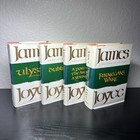 | $100.00 Buy It on eBay for only: $100.00 Buy It Now on eBay |
ULYSSES By James Joyce Random House 1946 Hardcover Vintage
 | $22.24 Buy It on eBay for only: $22.24 Buy It Now on eBay |
Ulysses by James Joyce - Easton Press with Henri Matisse Art
 | $119.99 Buy It on eBay for only: $119.99 Buy It Now on eBay |
Ulysses Paperback James Joyce
 | $9.88 Buy It on eBay for only: $9.88 Buy It Now on eBay |
Ulysses by James Joyce - 1997 Everyman’s Library HCDJ Plus Kevin Birmingham
 | $29.99 Buy It on eBay for only: $29.99 Buy It Now on eBay |
Franklin Library Leatherette Books Tom Jones and Ulysses by James Joyce
 | $13.99 Buy It on eBay for only: $13.99 Buy It Now on eBay |
ULYSSES-1990 Vintage Classics Edition-JAMES JOYCE-Virtually Flawless-SUPERB 34th
 | $19.99 Buy It on eBay for only: $19.99 Buy It Now on eBay |
The Cambridge Ulysses: The 1922 Text with Essays and Notes by James Joyce: New
 | $154.96 Buy It on eBay for only: $154.96 Buy It Now on eBay |
Rare Modern Library Ulysses James Joyce Hardcover Dust Jacket Unabridged 1961
 | $85.00 Buy It on eBay for only: $85.00 Buy It Now on eBay |
Ulysses (novel) by James Joyce, hardcover, FREE SHIPPING
 | $26.00 Buy It on eBay for only: $26.00 Buy It Now on eBay |
Ulysses – The Gabler Edition by James Joyce | ISBN 9780394743127 | Very Good
 | $15.00 Buy It on eBay for only: $15.00 Buy It Now on eBay |
Ulysses [4/28/1969] James Joyce
 | $12.51 Buy It on eBay for only: $12.51 Buy It Now on eBay |
ULYSSES BY JAMES JOYCE INTRO BY CRAIG RAINE (1997 HCDJ)(5965)
 | $18.75 Buy It on eBay for only: $18.75 Buy It Now on eBay |
Ulysses James Joyce Hardcover Blue Cloth Spine Slipcase Illustrated Cover
 | $31.49 Buy It on eBay for only: $31.49 Buy It Now on eBay |
Ulysses by James Joyce 1946 Hardcover Random House BCE w/ Dust Jacket MODERNIST
 | $24.99 Buy It on eBay for only: $24.99 Buy It Now on eBay |
Ulysses James Joyce 1946 Random House Hardcover No Dustjacket Green "jj" Cover
 | $25.00 Buy It on eBay for only: $25.00 Buy It Now on eBay |
James Joyce's Ulysses: A Study by Stuart Gilbert (1958, Vintage Books)
 | $8.00 Buy It on eBay for only: $8.00 Buy It Now on eBay |
Ulysses by James Joyce Hardcover Leather Bound Franklin Library Gold Gold Gilt
 | $28.00 Buy It on eBay for only: $28.00 Buy It Now on eBay |
Ulysses James Joyce Rare Shakespeare 1927 Original Wraps
 | $555.00 Buy It on eBay for only: $555.00 Buy It Now on eBay |
Leave a Reply